I always had an idea of what a hammam (better known as a Turkish bath) was: an old Ottoman tradition of communal bathing. After moving to Canada, that idea morphed into something else—a capitalistic luxury for the Real Housewives of X, Y, and Z. Do you smell cultural appropriation, or is that just me?

I’d seen many oriental paintings of exoticized women lounging in hammams in museums and history textbooks. And let’s not forget the movies featuring big, sweaty men who barely fit into their towels (I’ll refrain from posting those images here).
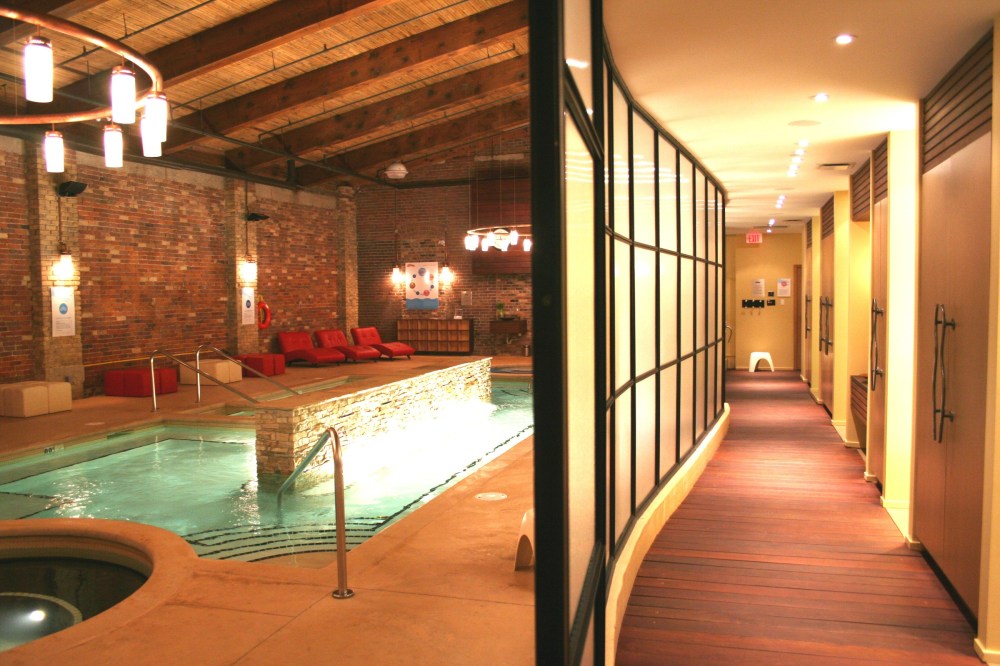
Then there’s the Westernized version of hammams, complete with pools, attendants, candles, massages, manicures, and drinks. A little much for a bath, no?
Being fluent in curiosity, I ached to experience a traditional hammam.
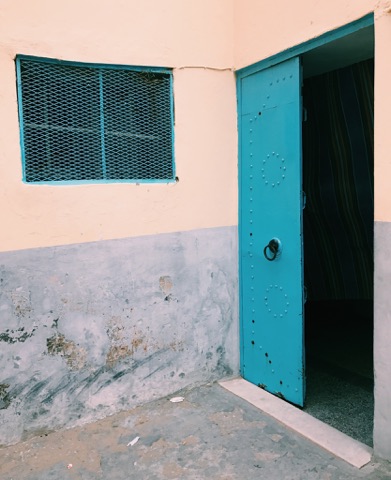
I missed my chance in Istanbul due to time constraints, but when we accidentally passed one in the old port of Bizerte, Tunisia, I was all in.
How it works:
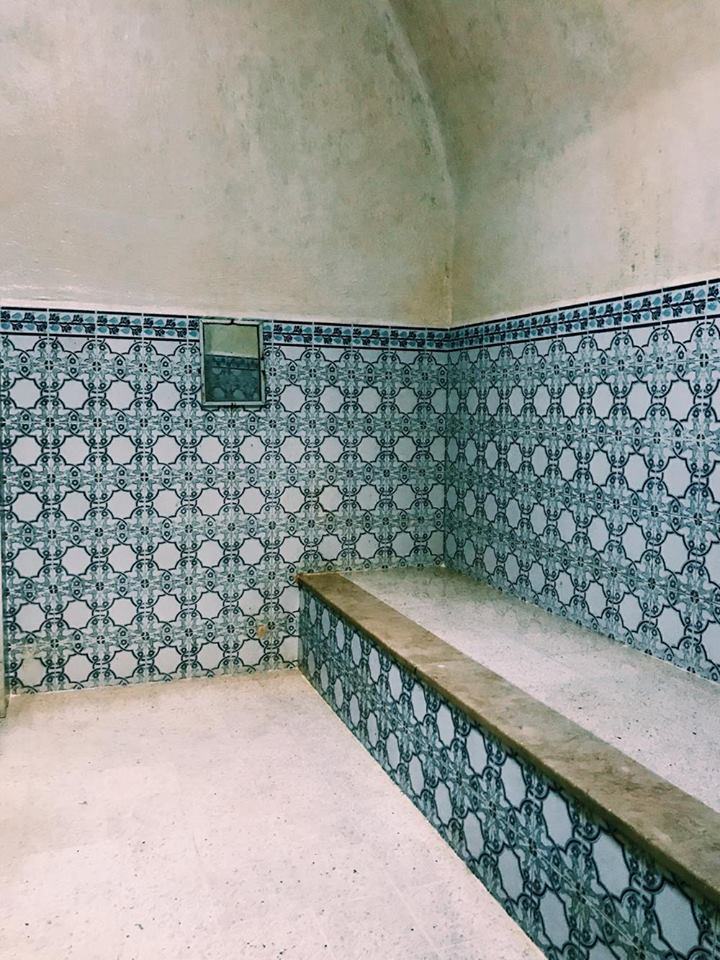
A hammam begins with relaxation in a heated room (known as beit skoon), where the continuous flow of hot, dry air allows bathers to perspire freely. Next, they move to an even hotter room before washing in cold water.
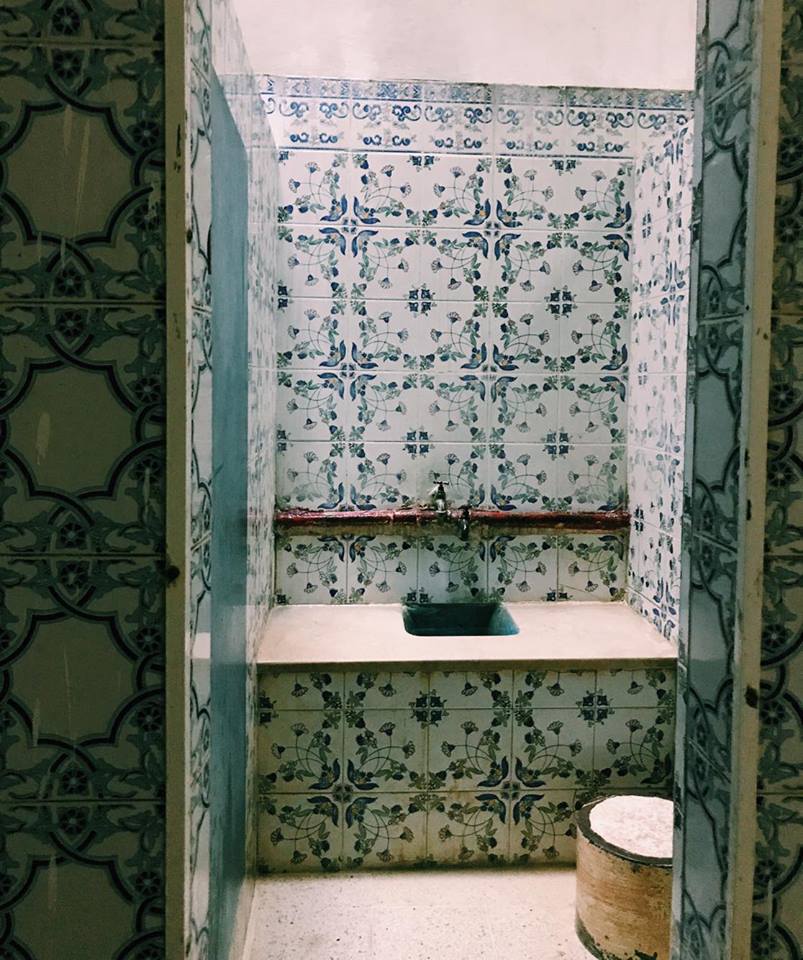
After a full-body wash and an optional massage, bathers retire to a cooling room for some final moments of relaxation.
Hammams in the Islamic context:
In Islam, it’s customary to perform ablutions before praying. The two forms of cleansing are ghusl, a full-body purification, and wudu, a cleansing of the face, hands, and feet. Many hammams are located near mosques for those seeking a deeper cleanse before prayer. Over time, hammams became an integral part of many Muslim cultures, especially in winter. Newlywed couples and travellers returning home often visit hammams as a tradition.
Before heading to the hammam, we packed a carry-on suitcase—more than I bring for some weekend trips. It included fresh clothes, toiletries, towels, a rug, a fouta (a wrap to wear in the hammam), a tasa (a small basin for pouring water), and tfal (a clay-based soap).
My Hammam Experience
Here’s the deal: the hammam was nothing like I expected. It shattered my assumptions about communal bathing in the best way possible. I hope after reading this, you’ll consider trying a traditional hammam on your travels.
Myth # 1: It’s Luxurious
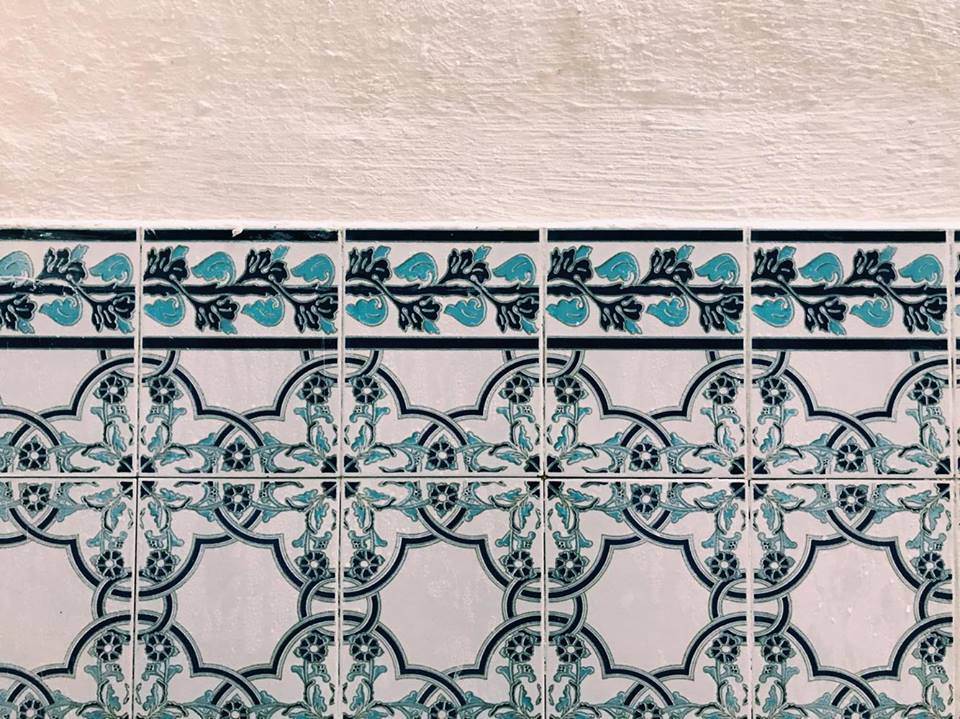
Despite the Western stereotype of hammams being high-end and indulgent, the traditional ones are quite simple. The tunnel pathways lead to plain rooms and water stations. That said, I have to give credit to the beautiful blue tilework that unifies the space. We really need to start appreciating blue tiles more.
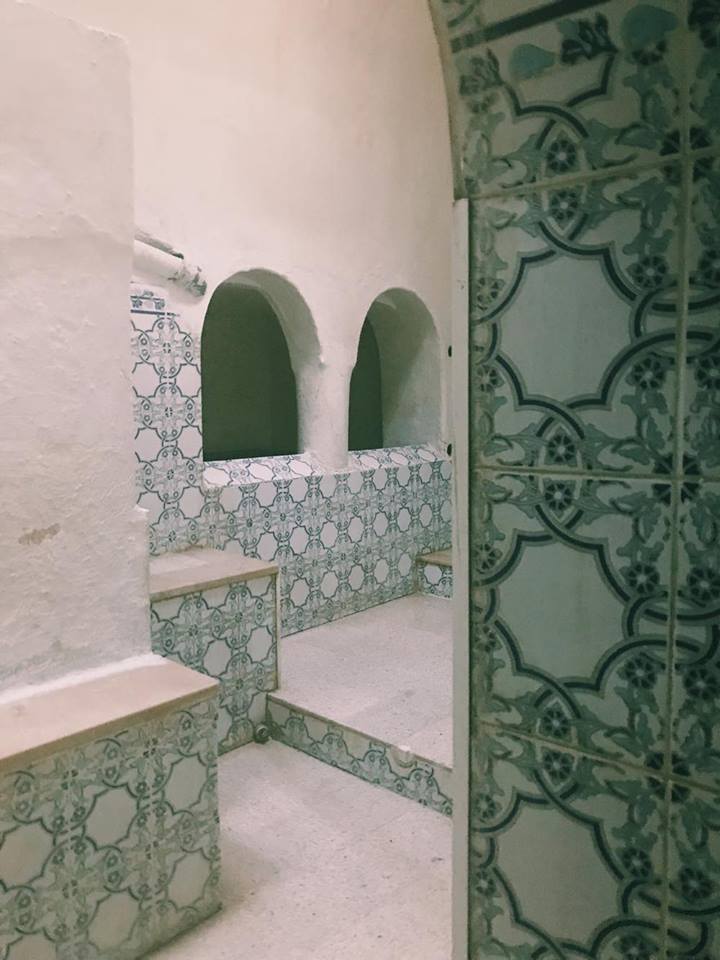
You sit on a bench with the other bathers and go about your cleansing routine. There are no fancy soaps or scented candles—you’re there to get clean, and that’s exactly what happens.
Myth # 2: You Can Be Naked

Before entering, women change into a fouta, covering them from chest to knees. I felt super embarrassed when I realized you’re still supposed to keep your underwear on. Even during women’s hours, full nudity isn’t allowed.
Myth # 3: It’s a Tranquil, Spa-Like Experience
I thought I’d leave the hammam floating on another plane of relaxation. Instead, I found myself surrounded by moms wrangling their kids and lively conversations echoing off the tiled walls. Hammams can be a family affair or a girls’ night out. And when you put a group of women together, you know someone is gossiping about the cute guy Mariam keeps sending memes to.
Myth # 4: It’s Expensive
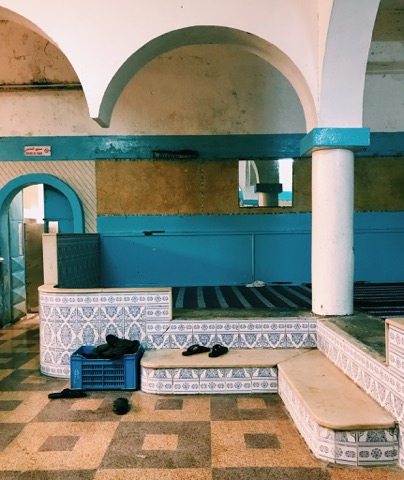
I hesitated to ask my friend to go with me, worried it wouldn’t fit into our budget. To my surprise, it was incredibly affordable: 3-4 Tunisian dinars ($2.00 CAD) for as long as you like. Thanks, I’ll be taking an eight-hour nap in beit skoon. On a serious note, many people go weekly, so it makes sense that it’s priced for regular visits.
Myth # 5: It’s Not That Clean
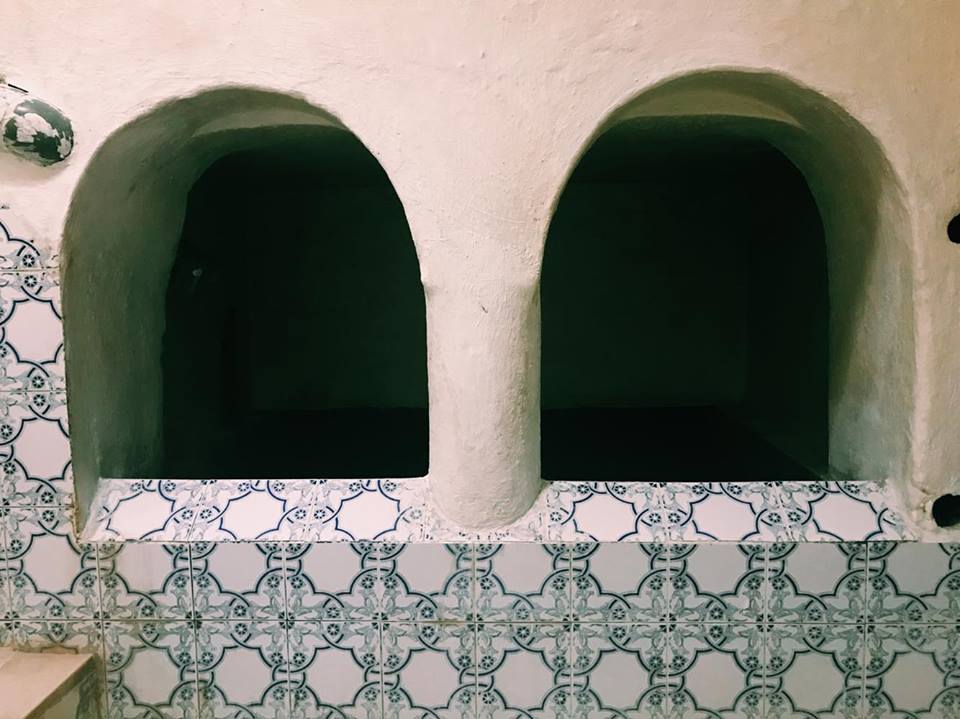
The women who work there are constantly cleaning. I’d never seen anything like it. Sure, there were a few cracked tiles here and there, but everything shone. Let’s just say I’d eat off the floor—it was that clean.
Myth # 6: You Have to Get Scrubbed
When we arrived, I saw a woman scrubbing another bather and thought, No way am I doing that. Then my friend got her back scrubbed, and I watched in horror (and fascination) as layers of dead skin peeled away. I caved. My scrubber was almost my grandmother’s age, but she knew what she was doing. By the time she was done, I regretted not asking for a full-body scrub. Just a heads-up: you need to tip the scrubber, as her service isn’t included in the hammam fee.
Myth # 7: People Will Judge Your Body
This was my favourite part. Nobody cared what I looked like. I felt completely comfortable in my skin because everyone else did too. These were real women—daughters, mothers, professionals—who proudly let their stretch marks and soft bellies be seen. I left feeling five pounds lighter, inside and out.
Final Tip
Don’t make plans after the hammam. Trust me, you’re going to need a serious nap.
Note: This was an average-sized hammam for middle-class Tunisians. Other hammams may vary.

 Zahra Travels