My parents never had a plan for the tuition of their three kids. With that in mind, I started working in high school to prepare to save for a post-secondary loan I hadn’t applied for yet.
That’s nothing new, though. Most people in my circle did the same.
But there were also days when I had to choose between buying a morning coffee (because I woke up at 5 a.m. to commute for 2 hours) and paying a transit fare to get home.
I did everything from sneak into trains to avoid fares to attend random lectures about medicine on camps just for the lunch they served after.
The Canadian University Survey Consortium surveyed more than 18,000 graduating students from 36 Canadian universities for its 2015 annual report. The average debt-ridden student owed $26,819.
Turns out everyone and their pet fish had a BA and employers weren’t exactly keen on responding to all 500 applications.
After working for a couple of months at an under-the-table gig as a new grad, I paid off a fraction of my loan and made a difficult decision: I enrolled for a master’s degree.
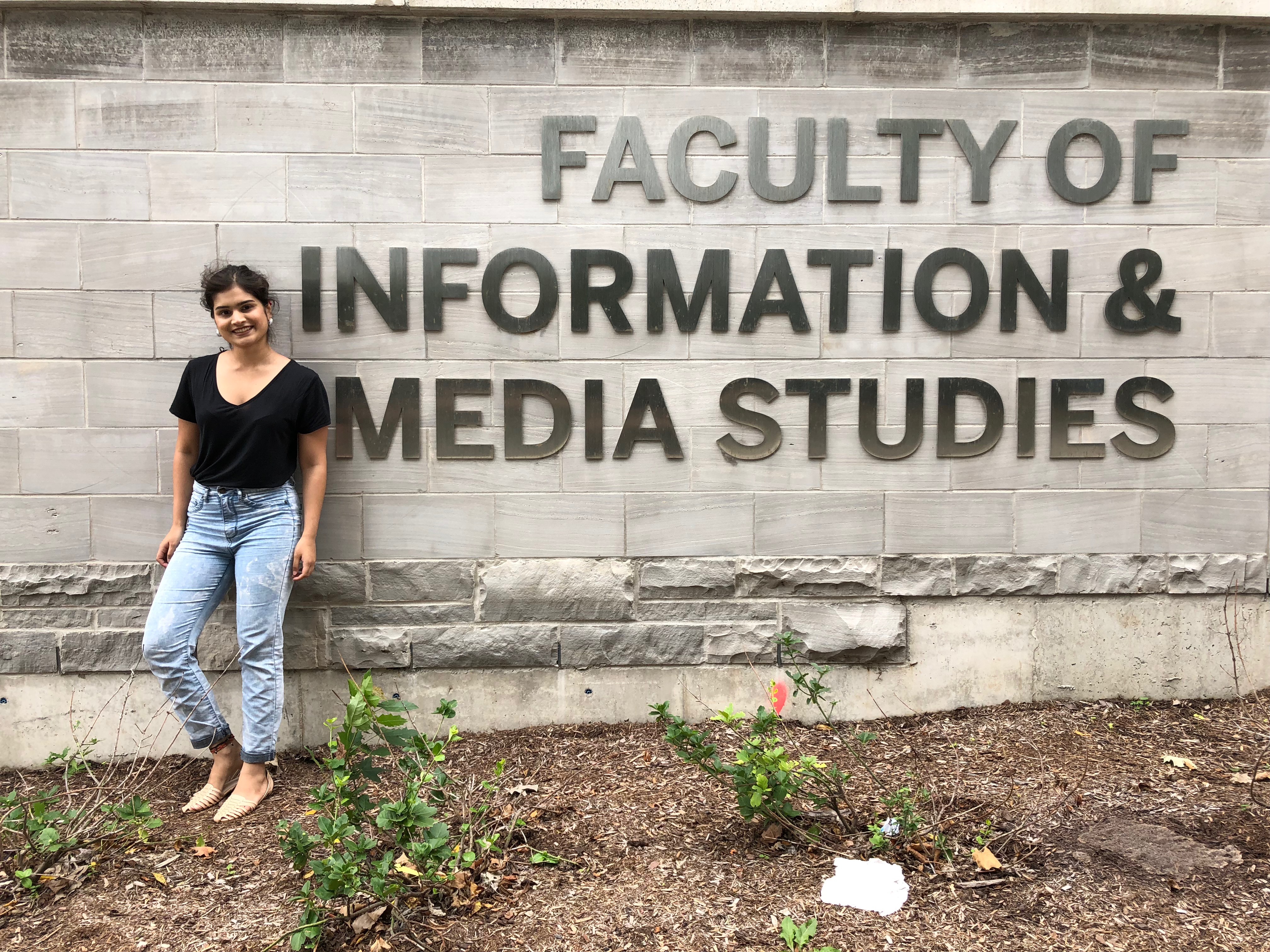
Being a full-time student for two decades has conditioned me to know nothing but school. I wasn’t ready to be an adult (I’m still not), so I went back to my comfort zone of deadlines and stress.
When I moved to my new school, I didn’t even have money to buy furniture for my student room. I ended up “borrowing” it from a house undergoing renovations in Chinatown.
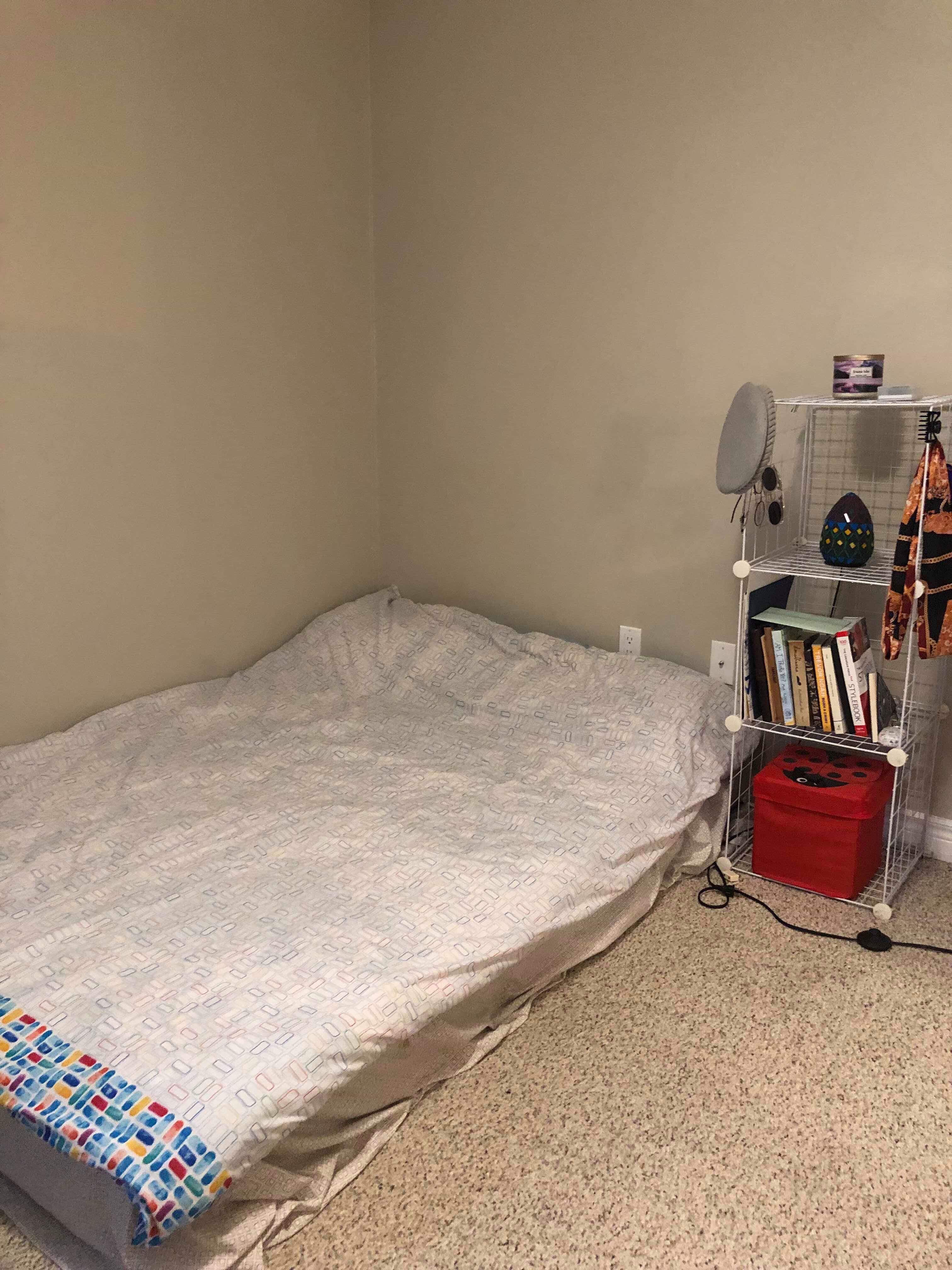
My university was in a different city, which meant the gross ‘r’ word: rent. My mom was in Toronto, and my sister was in Ottawa. We paid three sets of rent in three different cities.
The maximum amount of OSAP funding for a grad student couldn’t even cover tuition and rent, let alone books or food.
Even with a part-time job, I didn’t have enough to pay for my summer semester.
Broke students don’t do socials
I don’t think enough people realize how much debt affects a young person’s ability to adjust to a new environment and make friends.
Humans, as social beings, best socialize over food. I saw my colleagues go out for meals and drinks after class, and I’d always make up an excuse not to go. Soon enough, they stopped asking.
Sure, everyone is still nice to you, but after a while, you start to notice that you’re not part of any inside jokes, and folks are not rushing to sit next to you in class.
With every bagel or coffee I bought, I felt an enormous amount of guilt for not making it at home instead. I hated waking up late because that meant I’d have to waste money getting food on campus.
And even if I did manage to go out, I kept thinking about leaving early to get the bus back home because I couldn’t afford an Uber.
I realize these things sound petty, but when all you want is to make friends, being tight on cash can feel isolating.
Debt and Student Mental Health
A UK study showed that “students who were identified as having high financial concerns possessed significantly worse scores than students with low financial concern in all three years of university.”
The study also mentioned that “students with high financial concerns felt more ‘tense, anxious or nervous’, more ‘criticized by other people’ and found it more ‘difficult getting to sleep or staying asleep’ than students with low financial concerns.”
Grad school on its own is filled with anxiety and stress, but I found myself buried under it because I constantly swept our school’s sites for scholarship applications and bursaries of any kind. They always took priority over assignments.
And then there’s shit like “unpaid internships”
I can’t tell you how much I hate these words, especially together. Friends in engineering, medicine, or law don’t have pay-less positions for course credits, but somehow, sectors like media and journalism are all about exposure payments.

Thanks to some lovely professors and references, I landed my dream internship working abroad in foreign affairs. Of course, it’s unpaid, so I’ll have to work another gig all summer to pay for the unpaid one.
I’m not trying to sound ungrateful because both positions are dear to me. However, it goes to show that students without financial backing end up putting in twice the effort.
According to research by the Canadian Centre for Policy Alternatives, the cost of a university degree in Canada is getting steeper, with tuition and other compulsory fees expected to triple from 1990 to 2017.
With changes taking place in the Ontario education system (thanks to the Ford government), we can only expect that number to shoot up.
This article is not an isolated experience. I encourage you to read up on the current party’s changes to OSAP funding and write to your MP.

 Zahra Travels